
Unravelling the Delays in Western Australia’s Building Sector: Key Factors and Causes by Nick Menz – National Acquisitions Director, ASPIRE Property Advisor Network
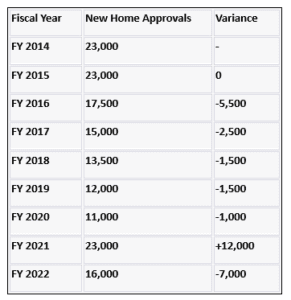
The Western Australian property market has experienced a rollercoaster ride over the past decade. The end of the mining and resource boom led to a significant downturn between 2014 and 2019, with new home approvals taking a substantial hit. However, the tide turned in 2021, thanks to the COVID-19 pandemic and government incentives like the Home Builder program, which led to a surge in new home approvals. Despite this, the building sector in Western Australia continues to grapple with challenges, particularly in terms of trade shortages.
A Snapshot of New Home Approvals
To understand the current situation, let’s delve into the number of new home approvals over the past few years:
Unpacking the Factors Contributing to Trade Shortages
Several factors have contributed to the trade shortage in Western Australia’s home-building sector. Here are some of the key factors:
- Border Closure
The hard border closure until mid-2022 meant no international or interstate migrants or workers were allowed in for the previous two years.
- Economic Boom and Resource Sector
Western Australia’s economic growth has primarily been driven by its booming mining and resource industries. As a result, many skilled workers have been drawn to these sectors, which often offer higher wages and more lucrative opportunities than the home building industry.
- Population Growth and Demand
The population of Western Australia has grown rapidly, leading to increased demand for housing. This has put pressure on the home building industry to meet the demand, which can exaggerate labour shortages.
- Ageing Workforce
The construction industry has an ageing workforce, with many experienced workers approaching retirement age. This has led to a decline in the number of skilled workers available to meet the increased demand for housing construction.
- Insufficient Training and Apprenticeships
There needs to be more investment in training and apprenticeship programs to develop new skilled workers for the construction industry. This has contributed to the labour shortage by not replacing the retiring workforce or keeping pace with the growth in demand.
- Geographic Location
Western Australia is a vast and isolated region, making attracting skilled workers from other states or countries difficult. The distance may deter workers from their families or the cost of relocating.
- Cyclical Nature of the Construction Industry
The construction industry can be cyclical, with periods of high demand followed by downturns. This can create uncertainty for workers seeking more stable employment in other sectors.
Non-Building Factors
In addition to the above, several “non-building” factors have contributed to the delays in construction:
- Planning and Approvals
The process of obtaining necessary building permits, land surveys, and approval from local councils can take time, especially if any complications or amendments are required. The sheer volume has challenged the consultants and the certification bodies alike.
- Weather Conditions
Perth’s climate can sometimes contribute to delays in construction. Extreme heat or heavy rainfall can create unfavourable conditions for construction work, causing temporary work stoppages.
- Material Availability
Supply chain issues or a high demand for certain construction materials can delay the necessary supplies and slow the building process. The slower construction industry between 2014 and 2021 meant many supply chain links closed or tapered down.
The Current State of Building in WA
The challenges of building in WA can be likened to feeding a basketball through a garden hose. Initially, it was the “pre-site” consultants getting swamped. Then concrete and associated labour were under the pump. Now, the “heavy trades” like bricks, frames, and roofers are facing challenges to get to plate height.
However, as we move into the fit-outs, we should see some respite as these trades are more available. As less land is titled than in 2020/21, we are seeing more “staggering” of the build jobs, making it easier to work with the trades and supplies available in a more regular schedule.
Looking Ahead
While the challenges are real, there is a silver lining. The “supply” of houses will take a long time to catch up with the “demand”. There is still a massive rental property shortage, so our investor clients will benefit from these delays as their property is ready to rent.
As we navigate through these challenges, it is essential to remain adaptable and resilient, keeping our eyes on the long-term potential of the Western Australian property market. Understanding the factors contributing to the delays in the building sector is crucial for investors and stakeholders alike. It helps in making informed decisions and planning for the future.
In Summary
The Western Australian building sector has faced a series of challenges over the past decade, from the end of the mining boom to the COVID-19 pandemic. Border closures, an ageing workforce, and a lack of investment in training and apprenticeships have further compounded these challenges.
Despite these hurdles, the sector has shown resilience and adaptability. The surge in new home approvals in 2021, driven by government incentives and a growing population, is a testament to this resilience.
However, as we move forward, addressing the ongoing trade shortages and other challenges causing construction delays is crucial. This includes investing in training and apprenticeships, attracting skilled workers from other states and countries, and improving the planning and approvals process.
At the same time, we must also recognise the opportunities that these challenges present. The current rental property shortage in Western Australia means that investor clients stand to benefit as their properties become ready to rent.
In the end, understanding and navigating these challenges is about overcoming obstacles and seizing opportunities. As we continue to navigate the complexities of the building sector in Western Australia, we remain optimistic about the long-term potential of the property market in the region.
Let’s remember that every hurdle presents a hidden opportunity. We can seize these opportunities together! Collaborating with your property investment advisor and our dedicated acquisitions team can help transform these challenges into stepping stones for prosperity and success in the Western Australian property market.